
Ethical & Sustainable
Conflict-free, traceable, recycled and lab-grown — what the claims really mean.
Almost every jeweler now uses words like "conflict-free," "traceable," "recycled" and "sustainable" — and most of those words are not regulated. This section explains what each claim actually guarantees, where the Kimberley Process protects buyers and where it leaves gaps, how origin-verified and blockchain-traced diamonds work, whether lab-grown is genuinely greener, and which brands document their sourcing rather than just marketing it. The goal is an honest, paperwork-backed answer to whether a ring is truly responsible.
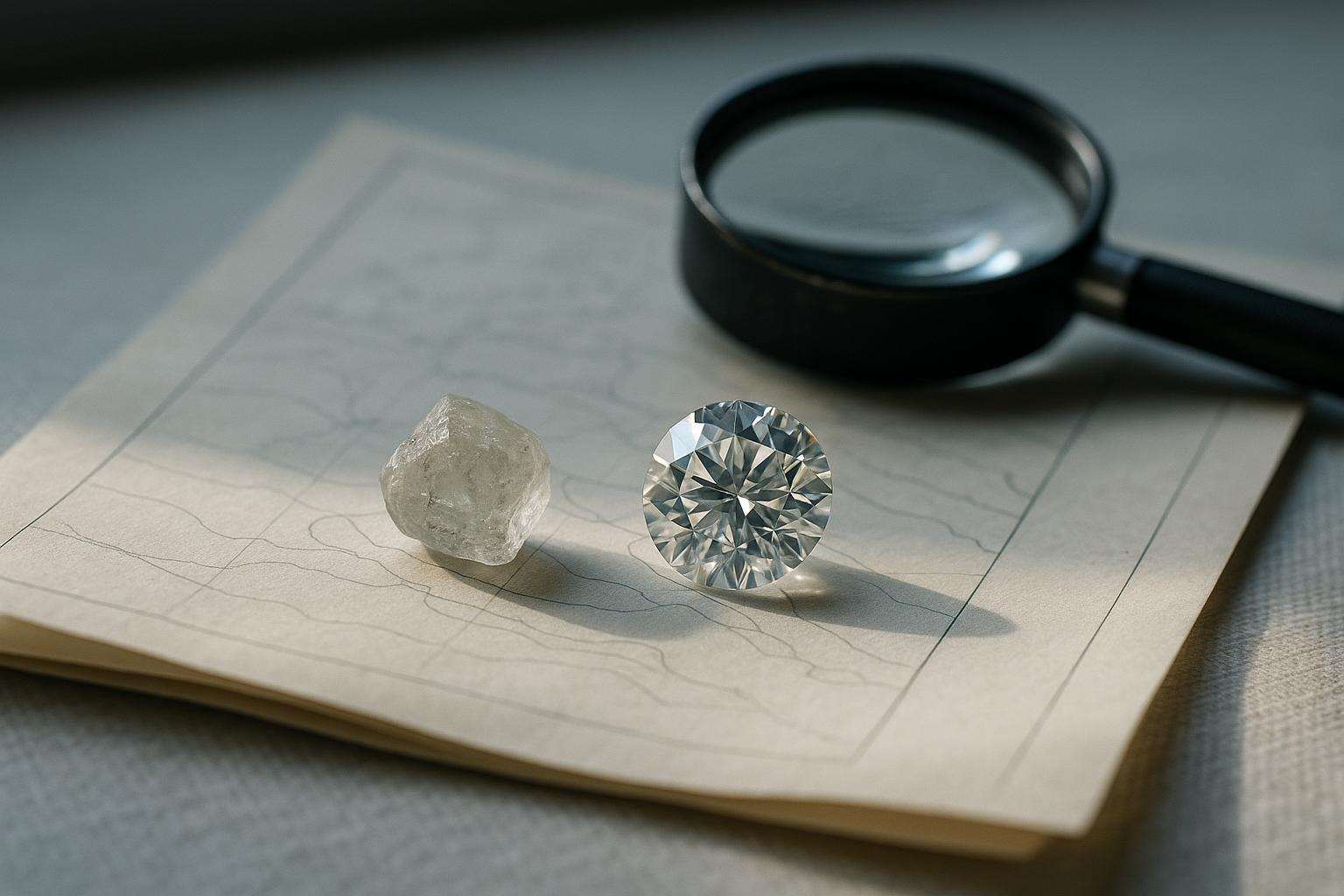
Traceable & Origin-Verified Diamonds: CanadaMark, Tracr & What the Certificates Actually Prove
Three credible systems now let you verify exactly where your diamond was mined — here is what each one guarantees, what it doesn't, and how to use them before you buy.

Recycled & Fairmined Gold Engagement Rings: What the Labels Mean
Three certifications, a dozen brands, and one question you actually need to ask before you buy — a gemologist breaks it down.
Are Lab-Grown Diamonds Actually Eco-Friendly?
The honest answer depends almost entirely on where the electricity comes from — and the FTC is now cracking down on brands that skip that caveat.
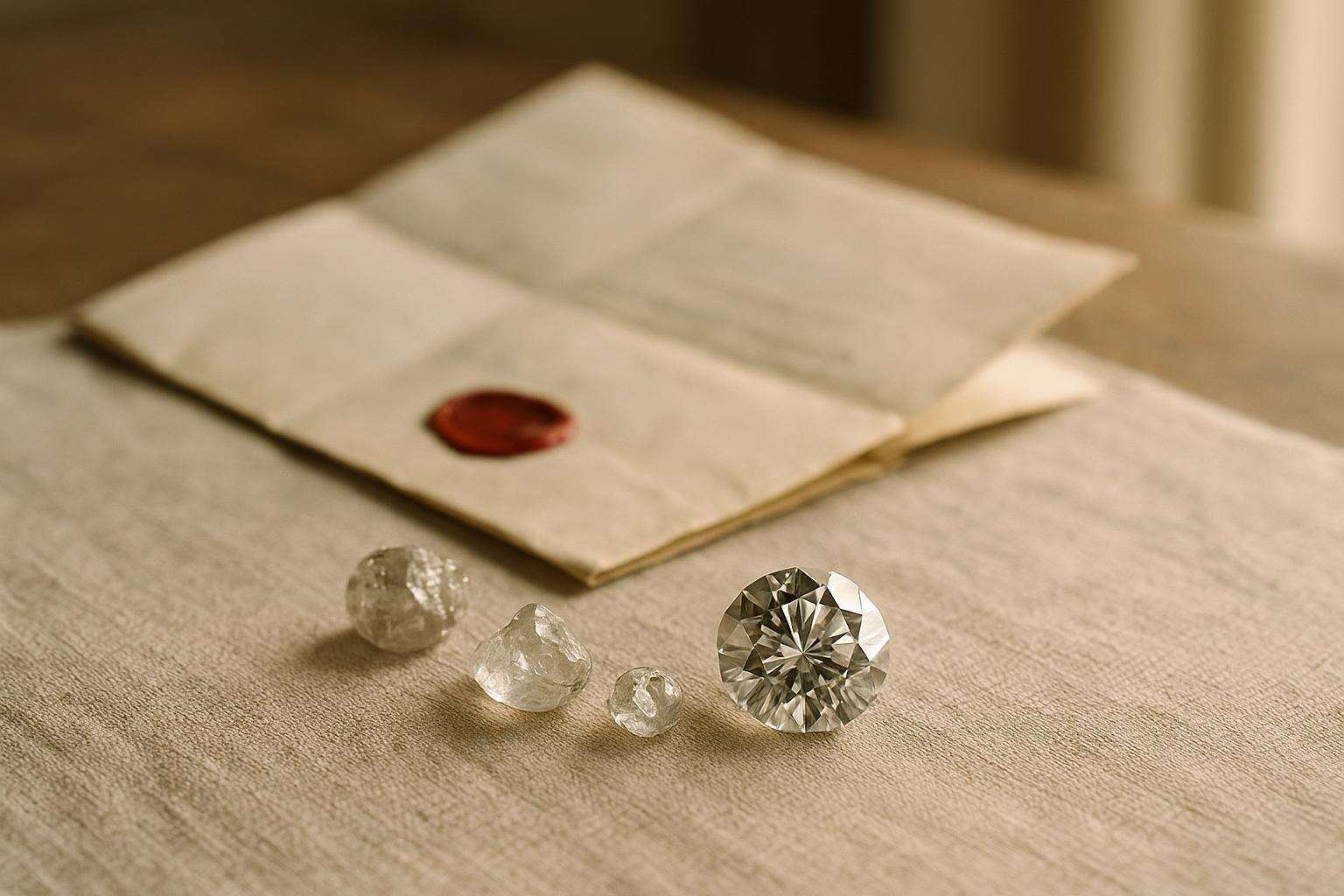
Conflict-Free Diamonds: What the Kimberley Process Really Guarantees
The Kimberley Process cert on your diamond covers less than most shoppers realize — here is exactly what it does, where it stops, and what to ask for instead.
Frequently asked about Ethical & Sustainable
What does "conflict-free" actually mean?
In the strict legal sense, "conflict-free" means a diamond is certified under the Kimberley Process as not financing rebel groups in active war zones. That is a narrow guarantee: it does not address labor conditions, environmental harm, or smuggling, and it has notable enforcement gaps. Buyers who want more assurance should look for origin-traced diamonds or recycled and lab-grown stones, which sidestep the mining question entirely.
Are lab-grown diamonds really better for the environment?
It depends on how they are made. Lab-grown diamonds avoid the land disruption of mining, but growing them is energy-intensive — so the environmental benefit hinges on whether the producer uses renewable energy. Several brands now power production with renewables and certify it; others do not. The FTC has warned sellers against unqualified "eco-friendly" claims, so look for specifics rather than slogans.
How can I tell where a diamond came from?
Origin can be documented through programs like CanadaMark for Canadian diamonds, single-origin sourcing from a named mine or country, and blockchain traceability platforms that record a stone’s journey from rough to retail. Ask the seller for written origin documentation; a brand that can name the country or mine and back it with paperwork is offering far more than a generic "ethically sourced" label.
What is recycled or Fairmined gold?
Recycled gold is refined from existing jewelry and industrial sources, so it requires no new mining and is widely available from sustainability-minded jewelers. Fairmined gold comes from certified small-scale mines that meet labor, safety and environmental standards and pay miners a fair price. Both reduce the footprint of the metal in your ring; recycled is the more common and affordable option.