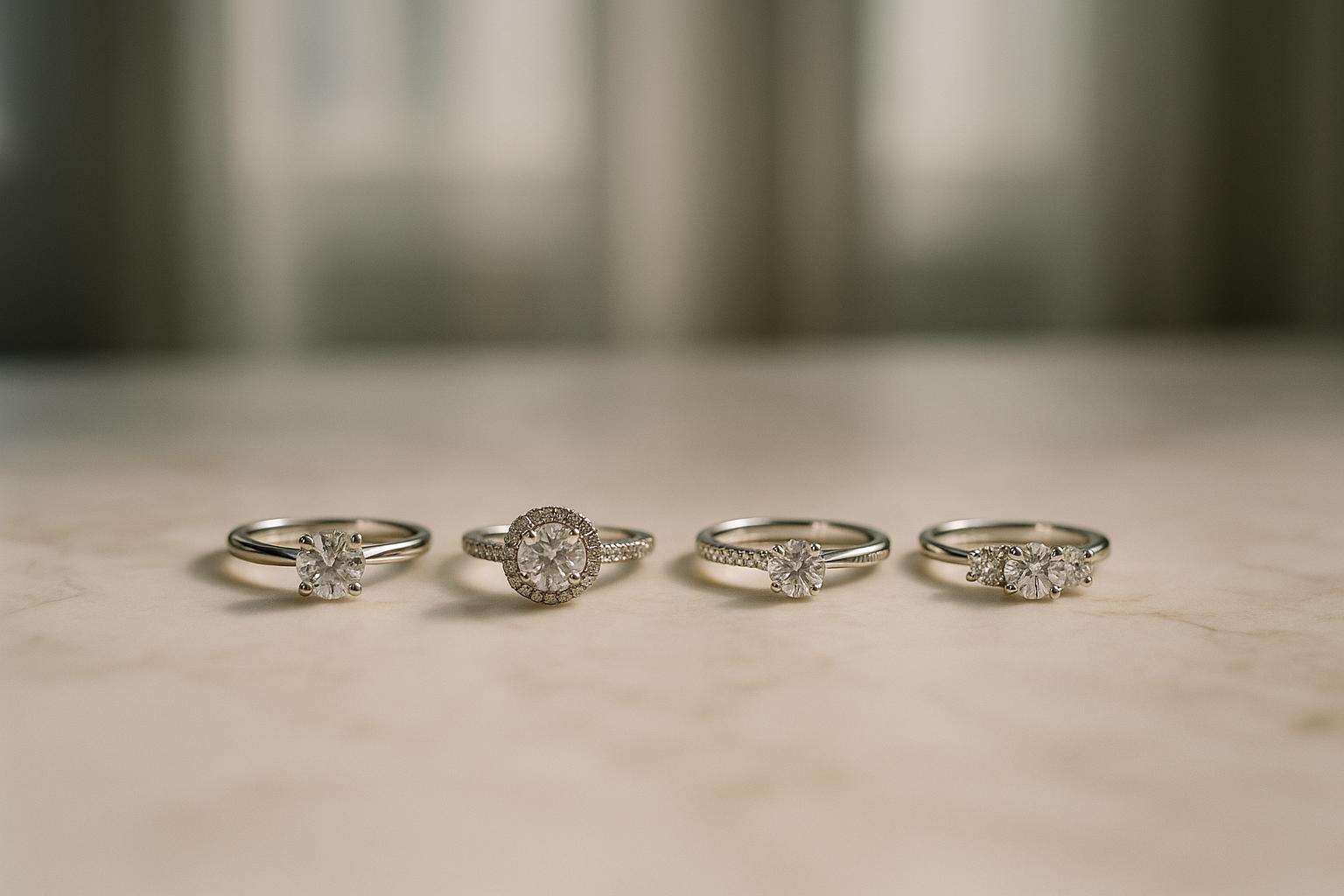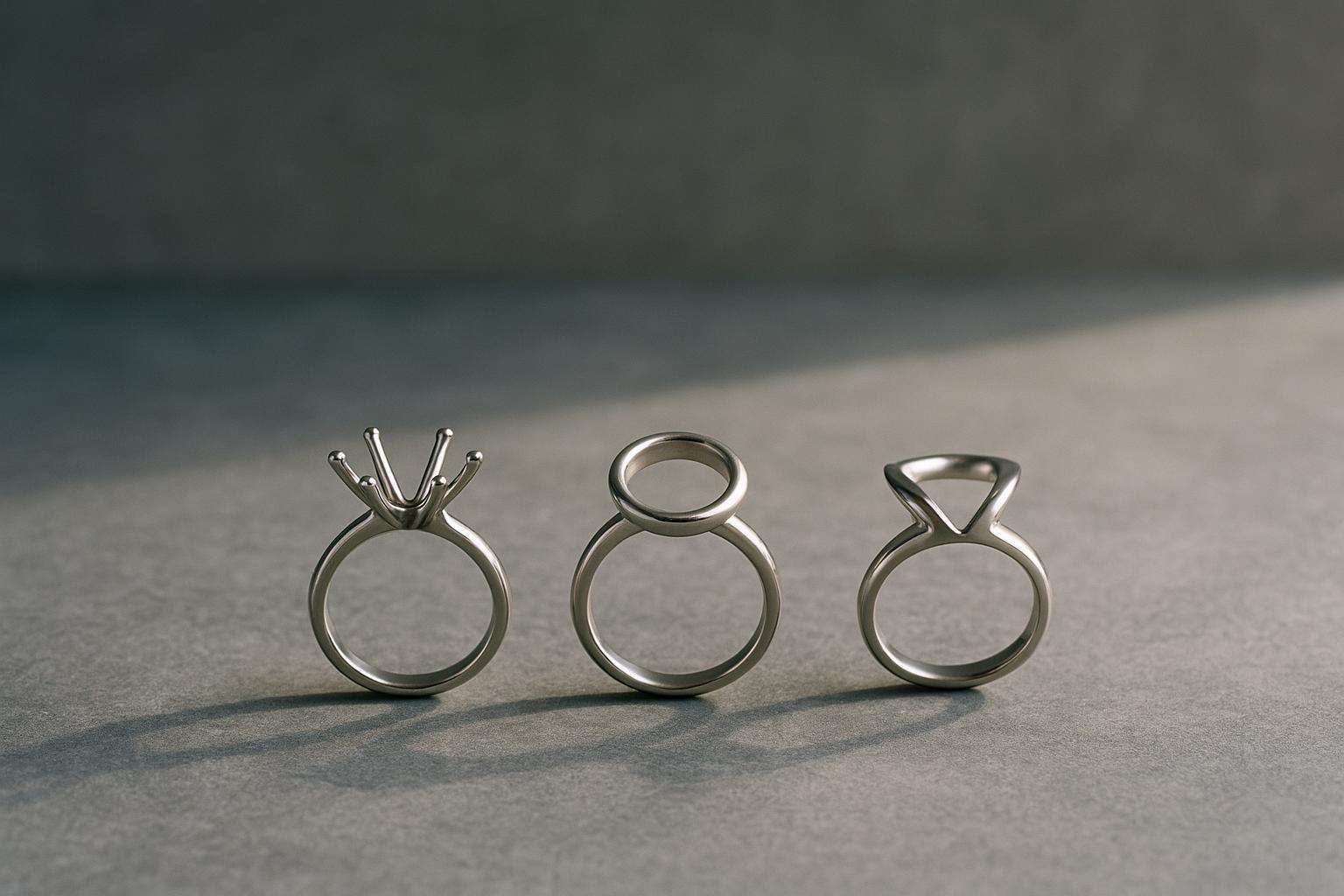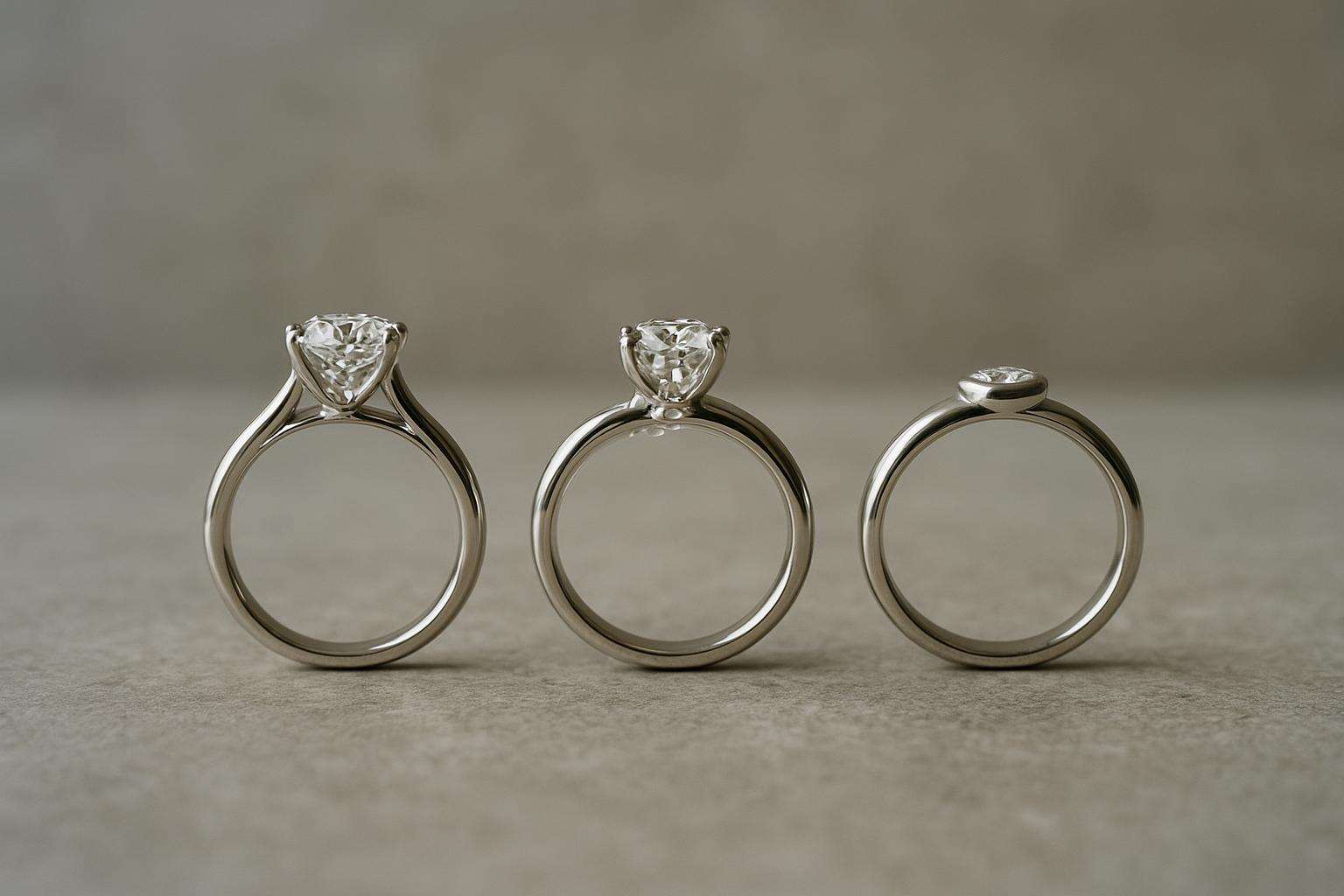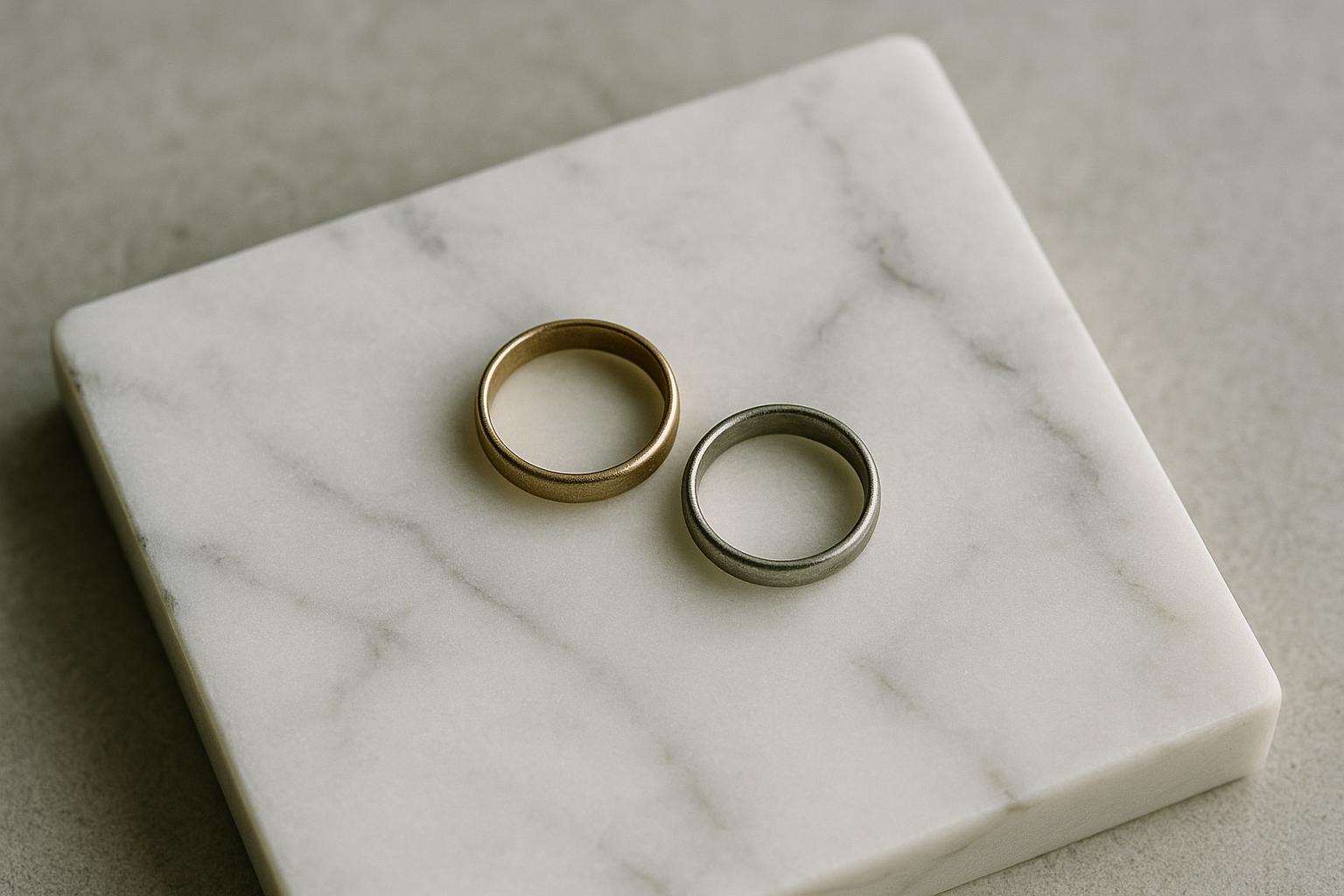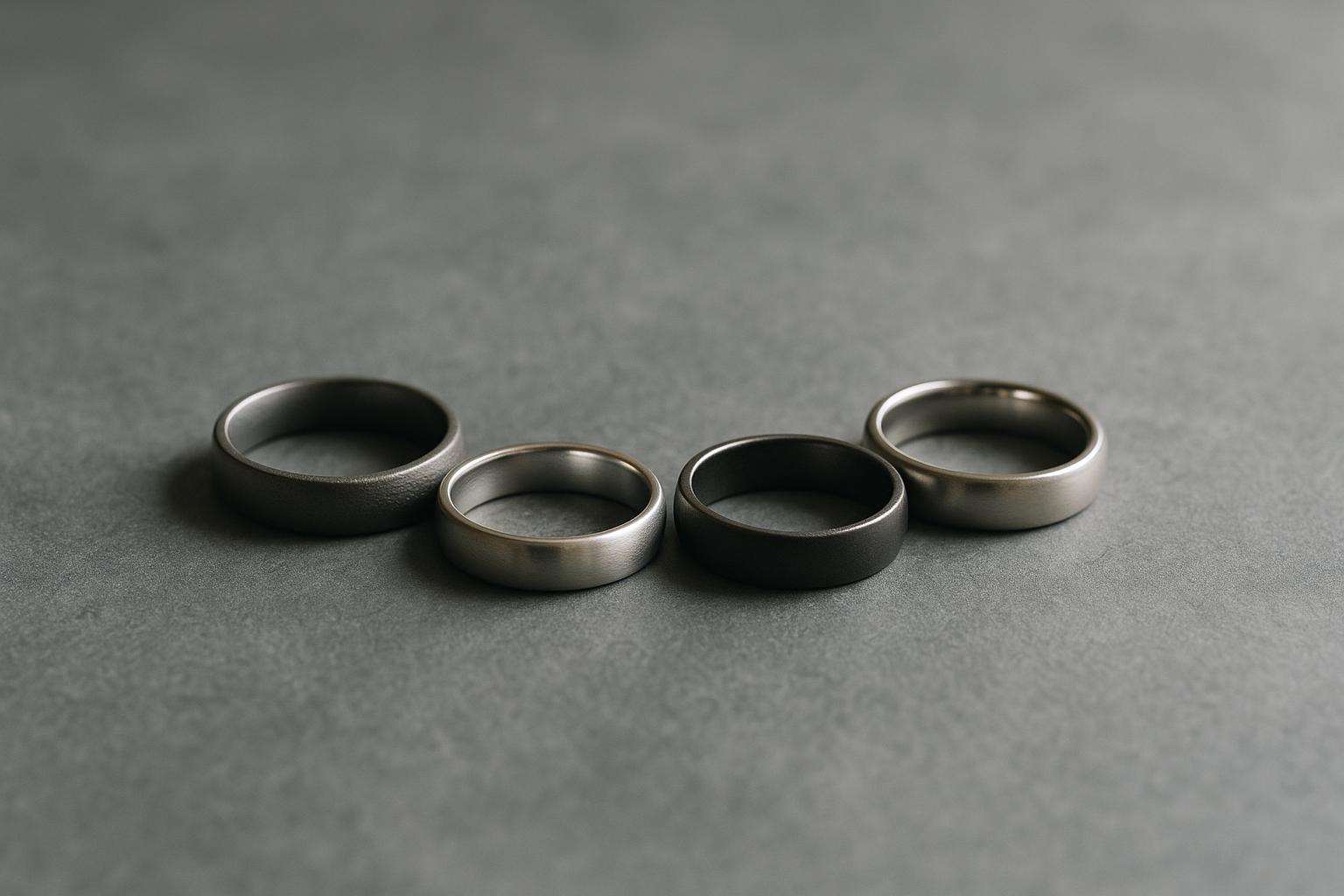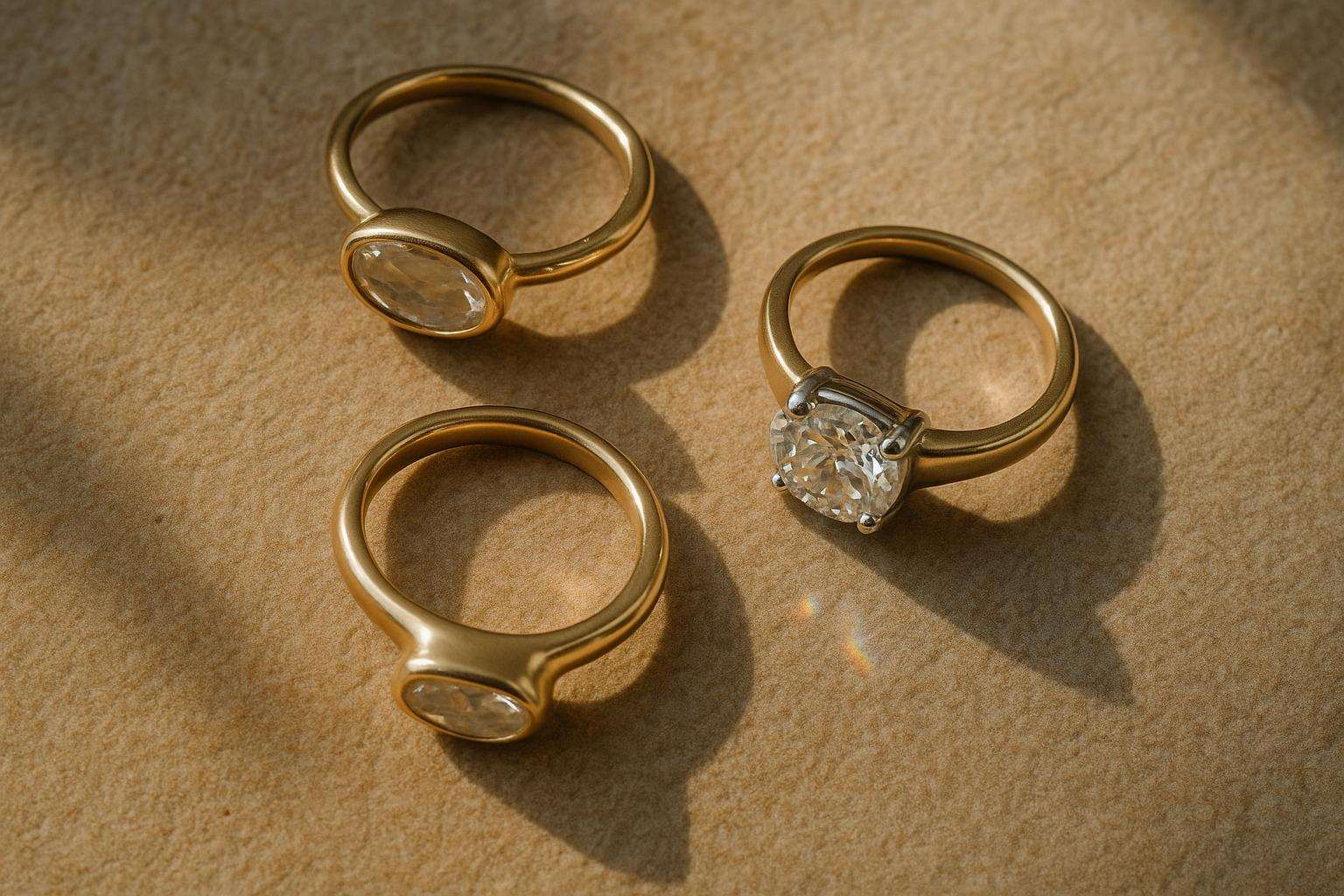
Settings, hold types, metals, and the trends shaping how a ring is built.
A setting is the architecture that holds the stone — and it changes the ring as much as the stone itself does. This section maps the setting families (solitaire, halo, hidden halo, pavé, three-stone, toi et moi), the hold types ranked by security, and the metals: platinum, white, yellow and rose gold, plus the alternatives. We explain how each choice affects perceived size, daily durability, upkeep, and cost, so the design you pick suits both the look you want and the hand that wears it.
Seven design forces are reshaping the engagement ring in 2026 — from the east-west orientation to sculptural gold bands. Here is what is actually selling, why, and how to decide if any of it belongs on your hand.
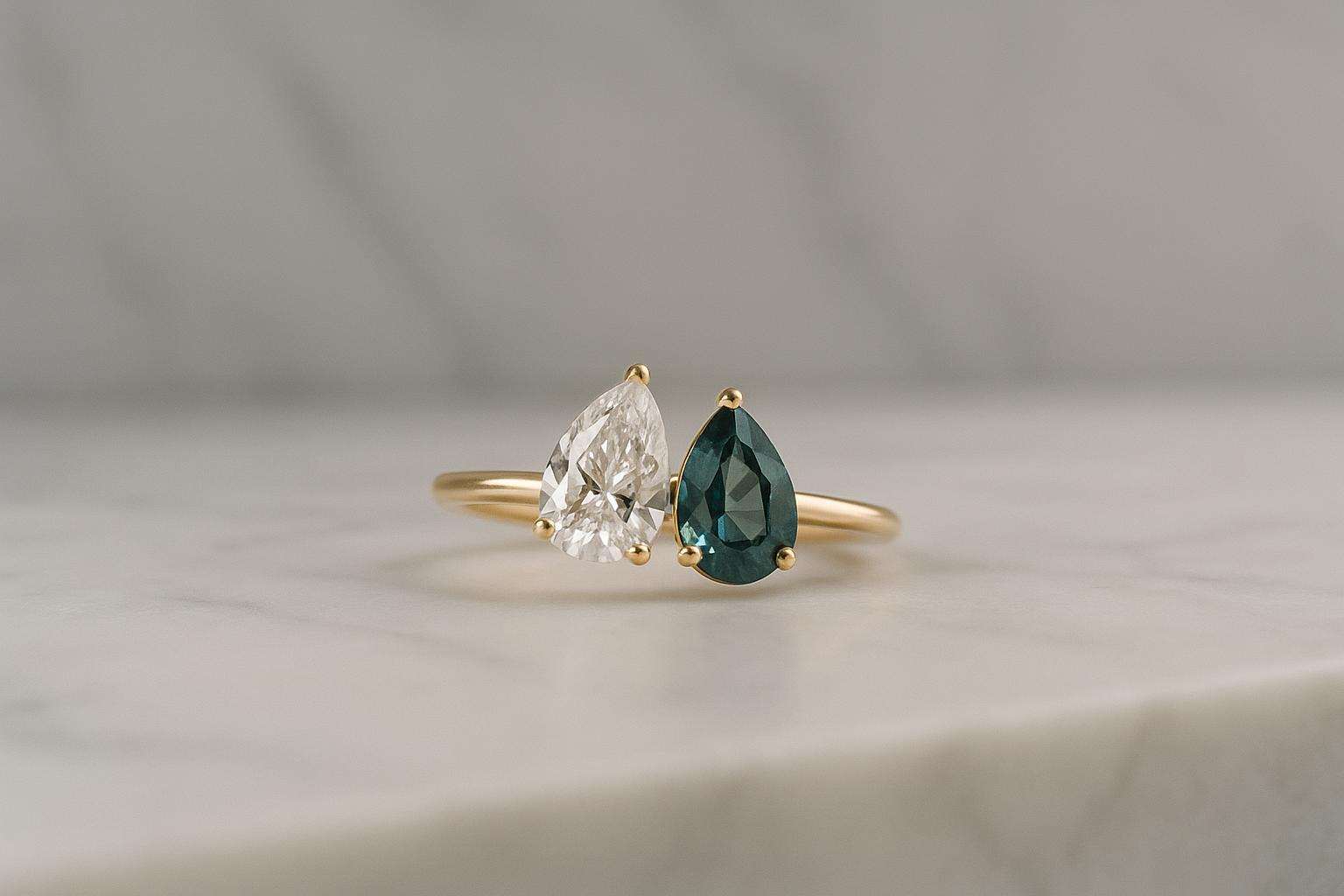
From Napoleon's 1796 gift to Joséphine to Ariana Grande's oval-and-pearl stunner — the definitive guide to choosing, styling, and buying a toi et moi engagement ring.
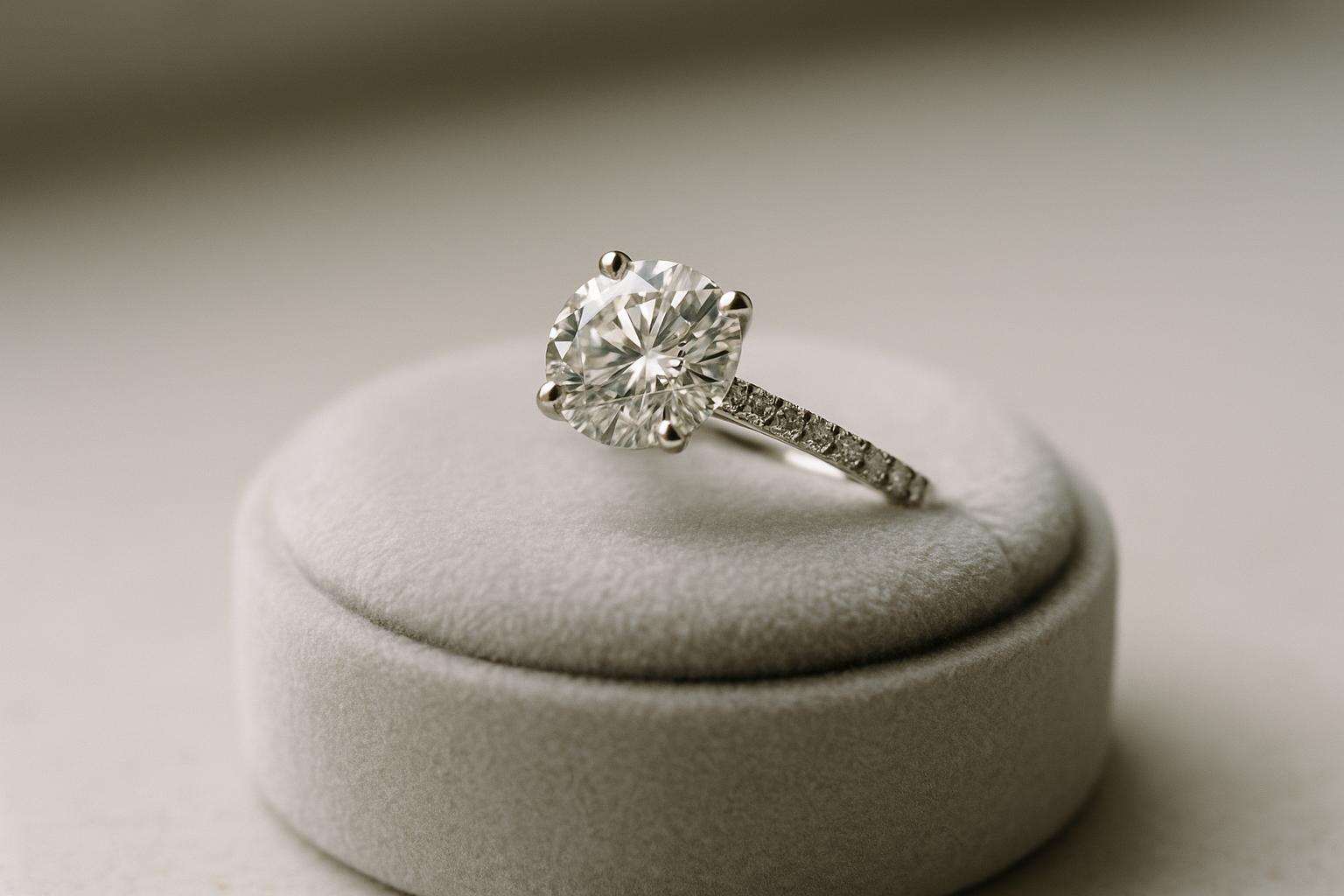
An honest hold-type ranking for active wearers — and what each setting choice means for resizing, maintenance, and the diamond you plan to put inside it.
The three ring architectures that determine how high your stone sits, whether it snags on fabric, and whether your wedding band will ever lie flat — explained clearly, with real trade-offs.
Gold hit $5,602 in January 2026. Here is exactly how the commodity markets pass through to the ring in the case — and what you can actually do about it.
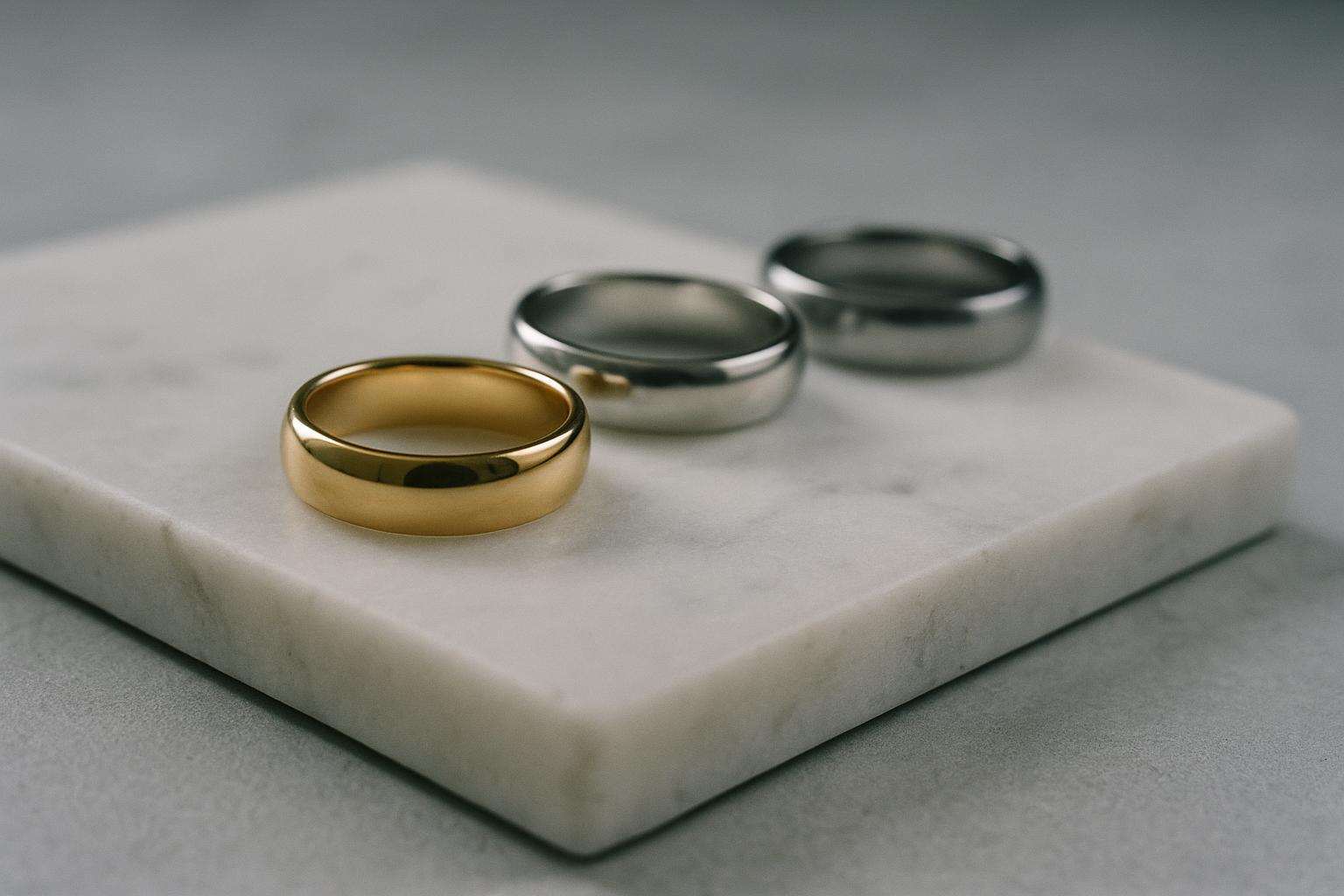
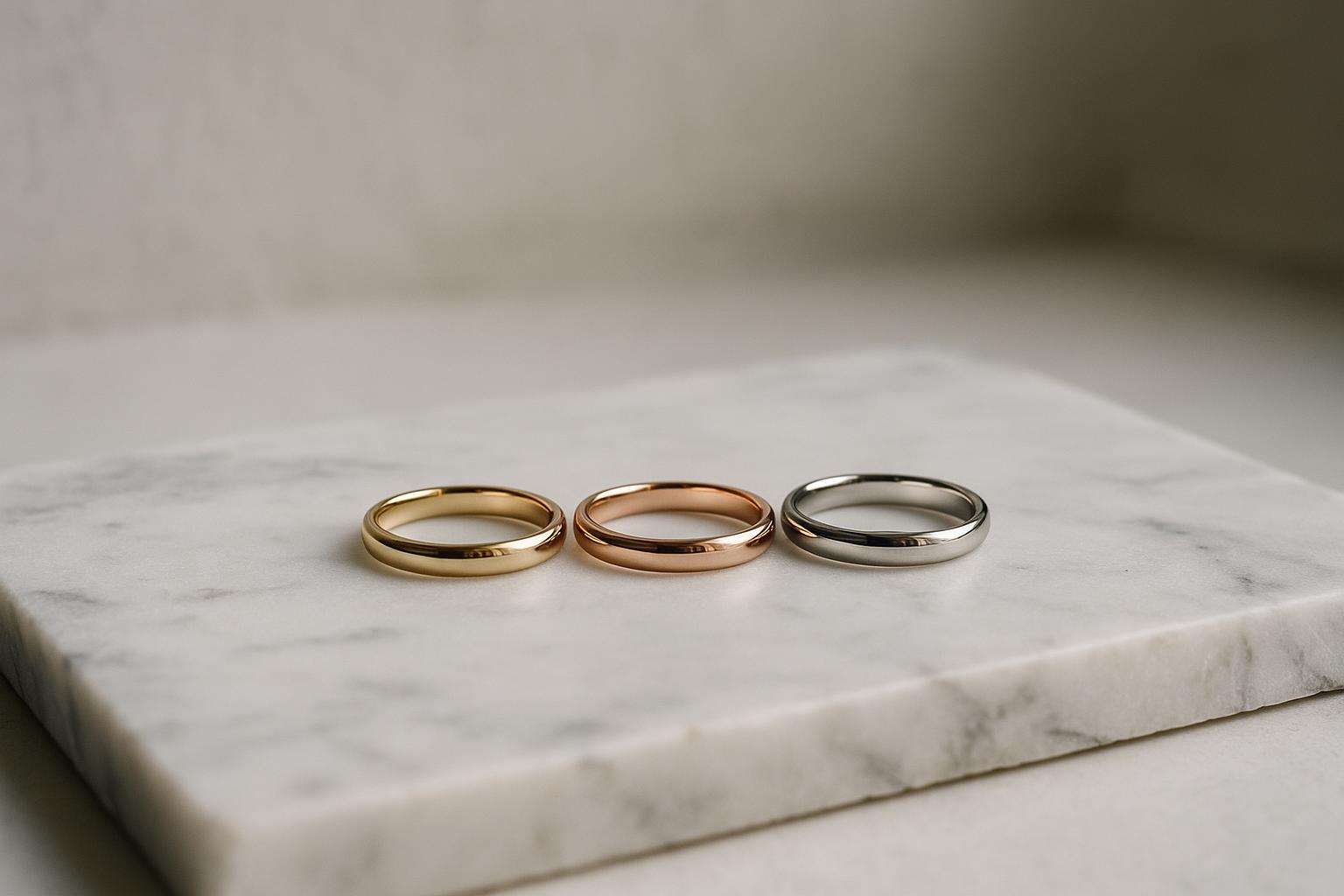
The 2026 yellow-gold resurgence explained, rose gold's universal flattery decoded, and the honest maintenance math on white gold — plus the skin-tone pairing guide jewelers actually use.
Four non-traditional metals that outperform gold and platinum in specific real-life scenarios — and the resize, repair, and resale trade-offs you need to know before you buy.
By Marcus Devlin · 11 MIN READ
Frequently asked about Ring Styles & Settings
What is the most secure engagement-ring setting?
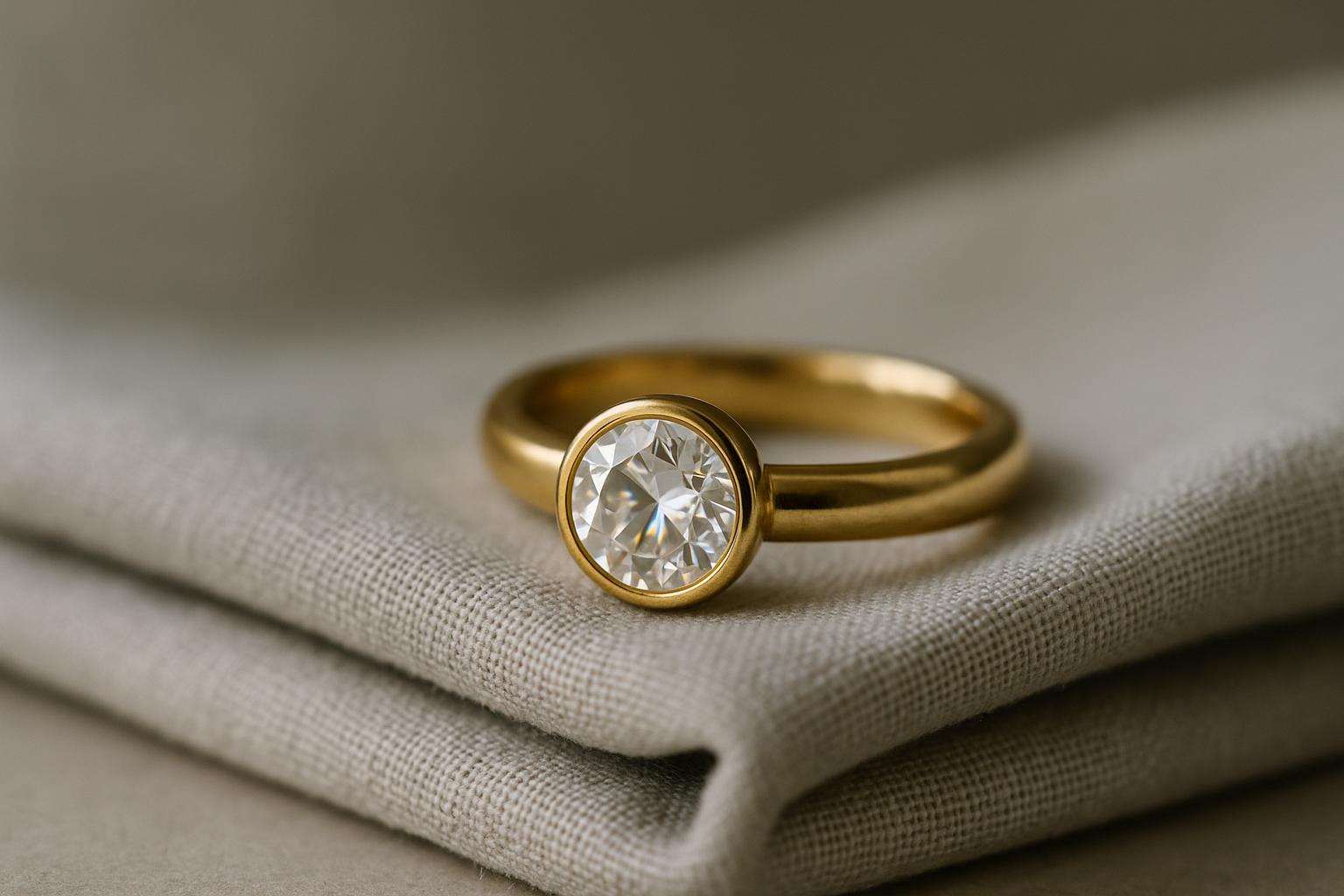
A bezel setting is the most secure, because a continuous metal rim wraps and protects the entire girdle of the stone rather than gripping it with a few prongs. It is the best choice for active hands and hard-working lifestyles, though it lets in slightly less light from the sides than a prong setting, so the stone can look marginally smaller and less brilliant.
What is a hidden halo and is it worth it?
A hidden halo is a ring of small diamonds set underneath the center stone, visible only from the side rather than from above. It adds sparkle and the perception of a larger stone without changing the classic look from the top, and it photographs beautifully. The trade-off is more surfaces to clean and slightly higher cost than a plain solitaire.
Is platinum or white gold better for an engagement ring?
Both look nearly identical, but they age differently. Platinum is denser, more durable and naturally white, so it never needs re-plating — it develops a soft matte patina instead. White gold is lighter and less expensive up front but is rhodium-plated to look white, and that plating wears and needs reapplying every one to three years to keep its bright finish.
Which metal is trending for engagement rings in 2026?
Yellow gold is having a strong resurgence after a decade of white-metal dominance, driven by vintage revival and several high-profile celebrity rings. Platinum remains the premium choice for durability, while two-tone and mixed-metal bands are growing as buyers pair a yellow-gold band with white-metal prongs to keep the stone looking white.