Most Durable Gemstones for an Engagement Ring (2026)
Mohs hardness ranked, toughness weighed, daily-wear reality checked — which stones actually hold up on a hand for life.
The 4Cs, shapes, lab-grown vs natural, and every alternative stone — decoded.
The center stone is the single biggest decision — and the biggest line item — in any engagement ring. This is where we explain the 4Cs (cut, color, clarity and carat), compare all ten diamond shapes, weigh lab-grown against natural diamonds, and look honestly at moissanite, sapphires, and the trend stones everyone is asking about. The goal is simple: enough real knowledge that you can judge a stone yourself instead of trusting a sales counter.
Mohs hardness ranked, toughness weighed, daily-wear reality checked — which stones actually hold up on a hand for life.
Carat weight measures mass, not surface area — the right shape can make your diamond appear 15% larger without spending a cent more.
The hall-of-mirrors effect is everything — but those same open facets that create serene, architectural glow will also put every inclusion on display. Here is what the clarity threshold actually means for step cuts, and why the price math still works in your favor.
Square brilliant value, geometric sparkle, and one structural caveat every buyer needs to know before they shop.
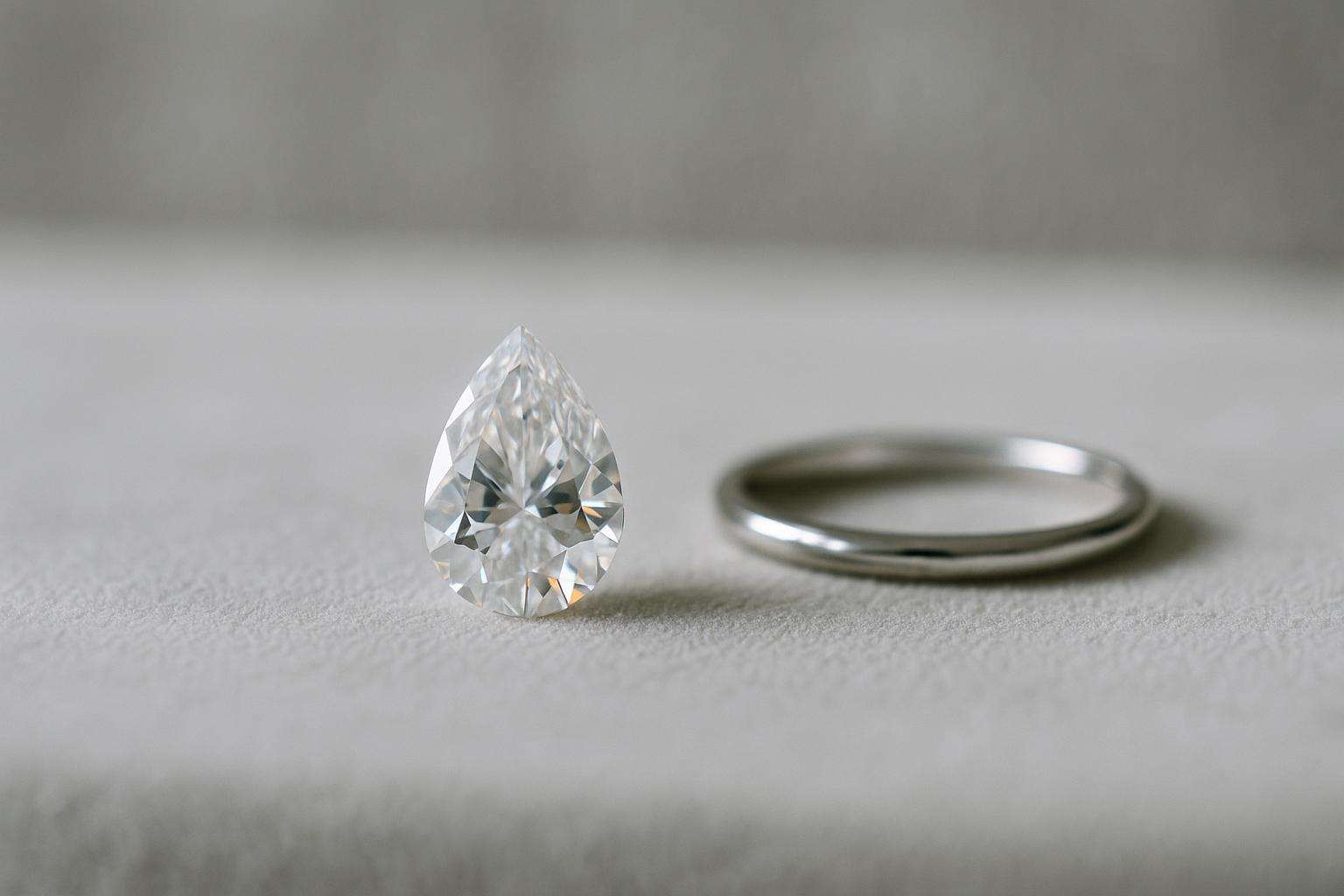
The teardrop cut delivers round-brilliant sparkle in an elongating silhouette — and costs up to 33% less per carat than a round. Here is everything you need to buy one with confidence.
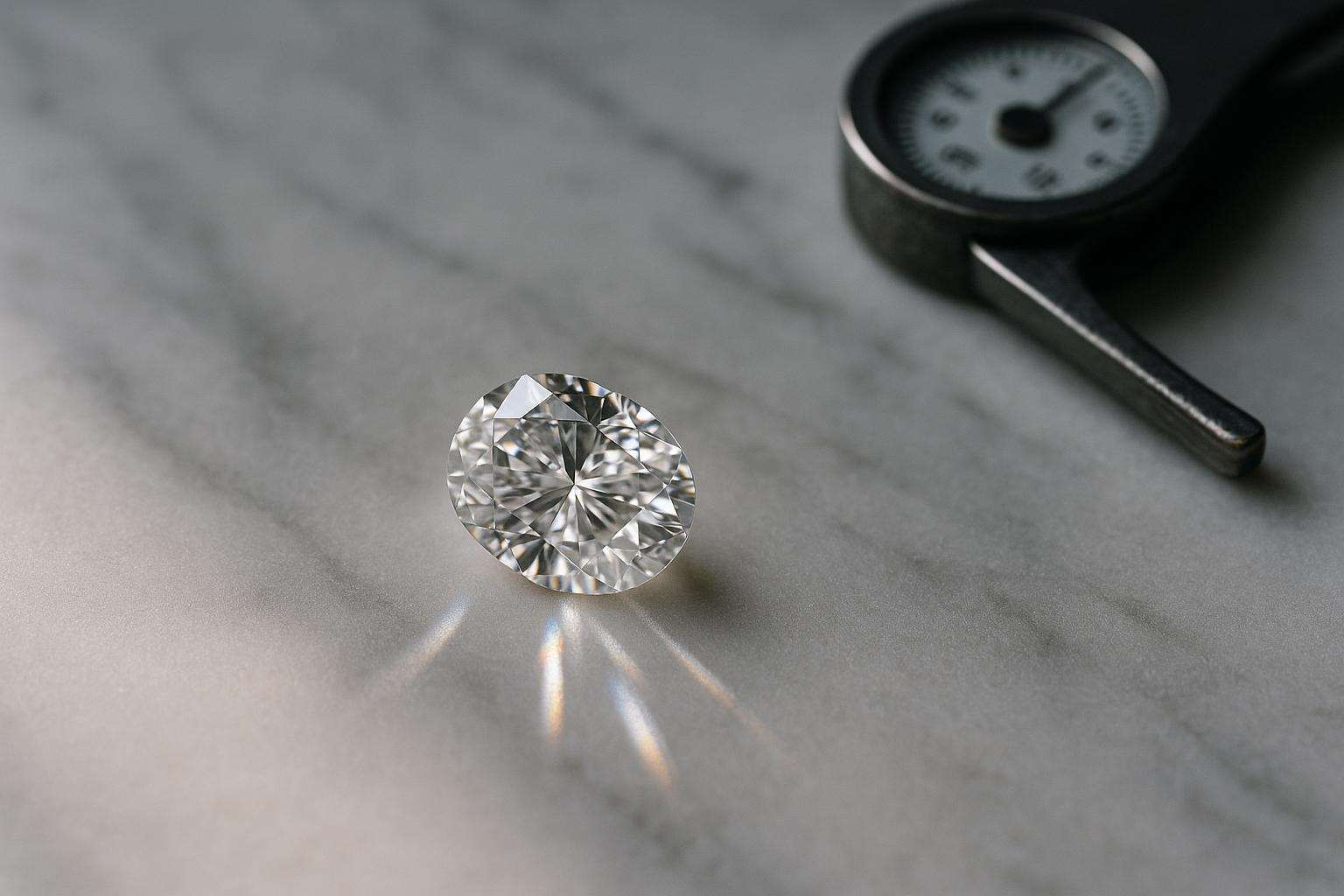
The second most popular engagement ring shape delivers more face-up size per carat than any brilliant cut, costs 20–25% less than round, and elongates the finger — but only if you nail the length-to-width ratio and avoid the bow-tie trap.
Hardness, fire, price, and the named brands you need to know — what moissanite actually is, how it compares to diamond, and how to decide which is right for you.
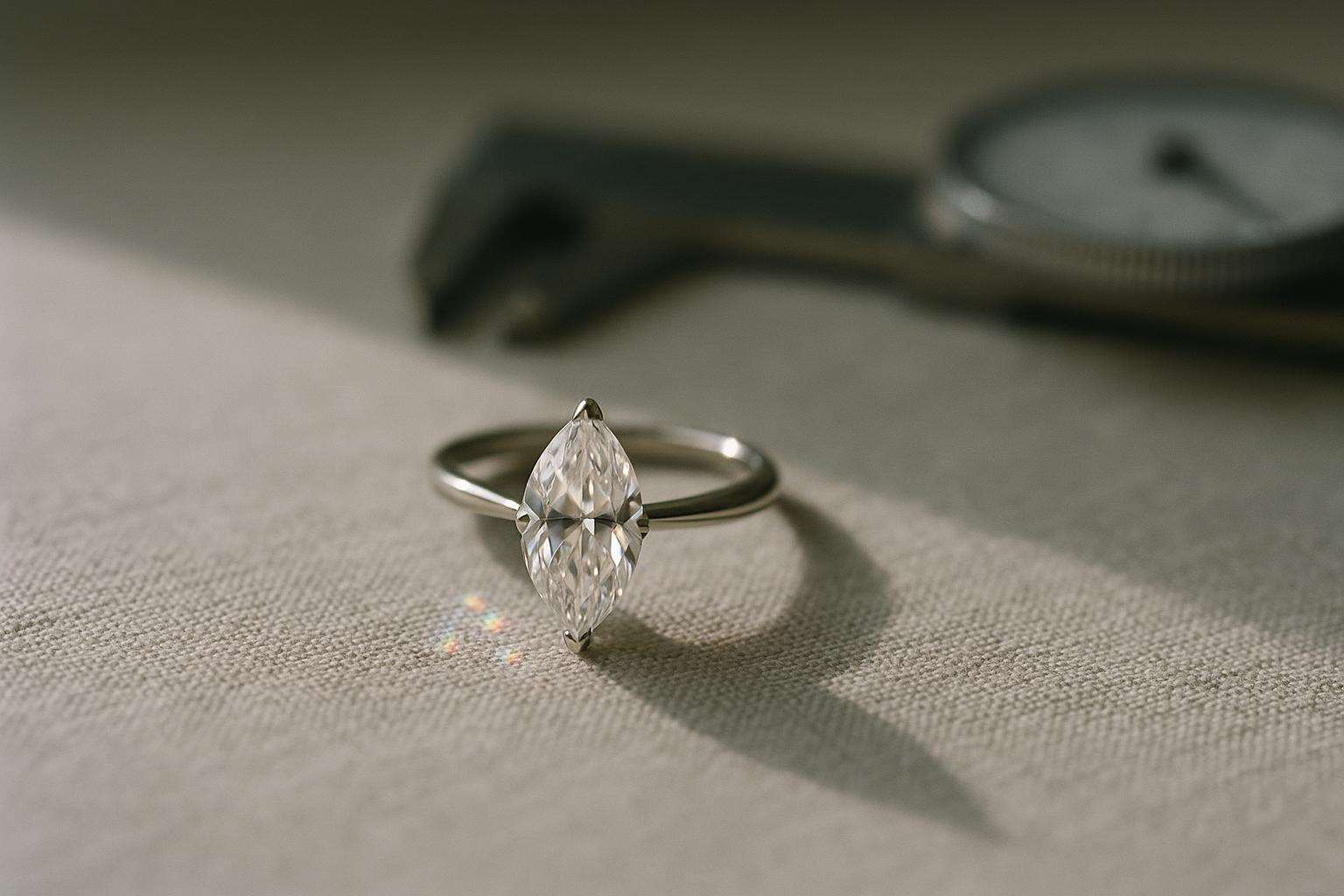
The marquise delivers more face-up diamond than any other shape per carat — but symmetry and bow-tie control separate a stunning stone from a costly mistake.
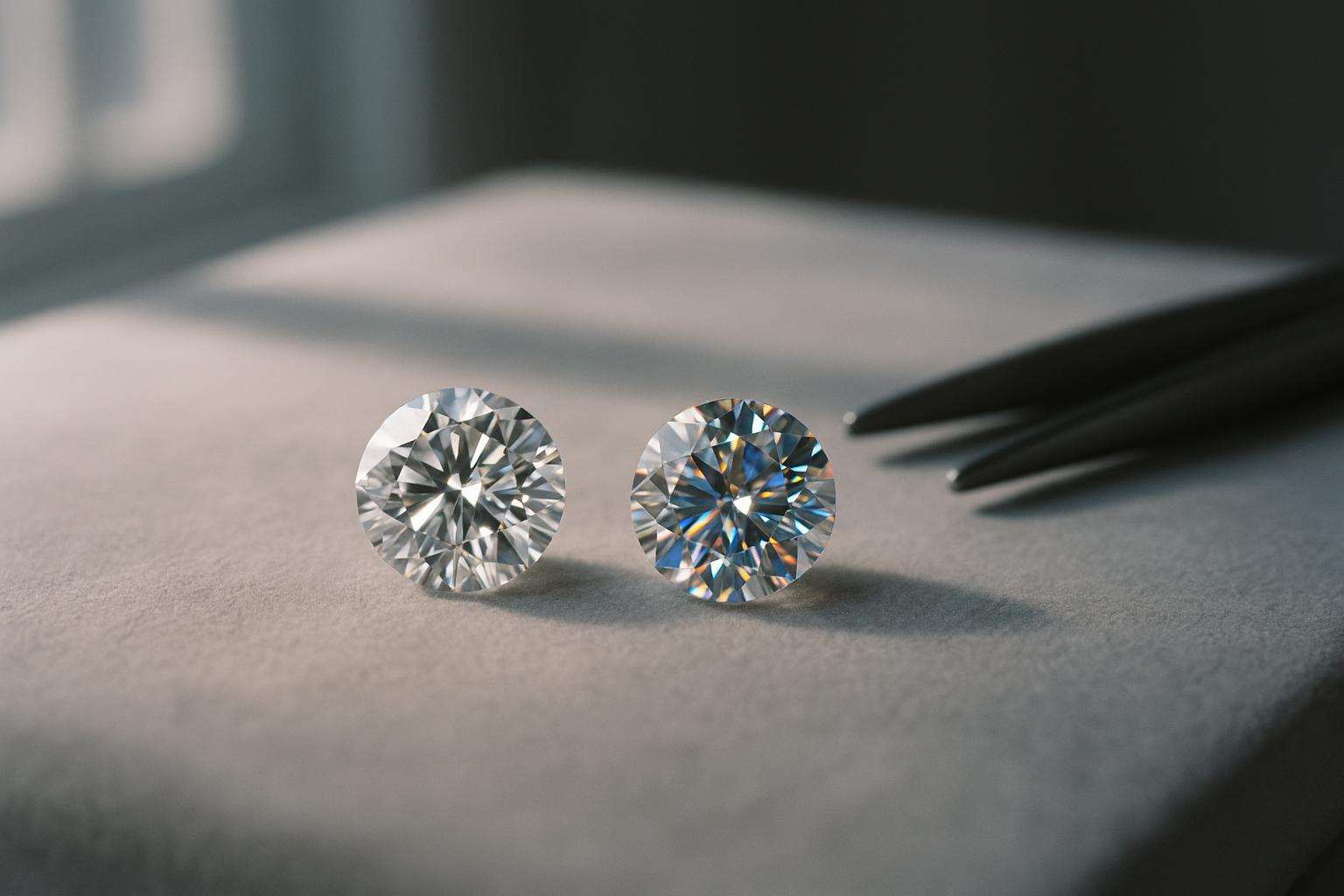
Price, resale value, detection, and FTC disclosure — an honest, data-driven verdict so you can choose with confidence.
Two growth methods, one identical chemical formula, and a handful of subtle differences that matter far less than the marketing suggests — a gemologist's plain-language breakdown.
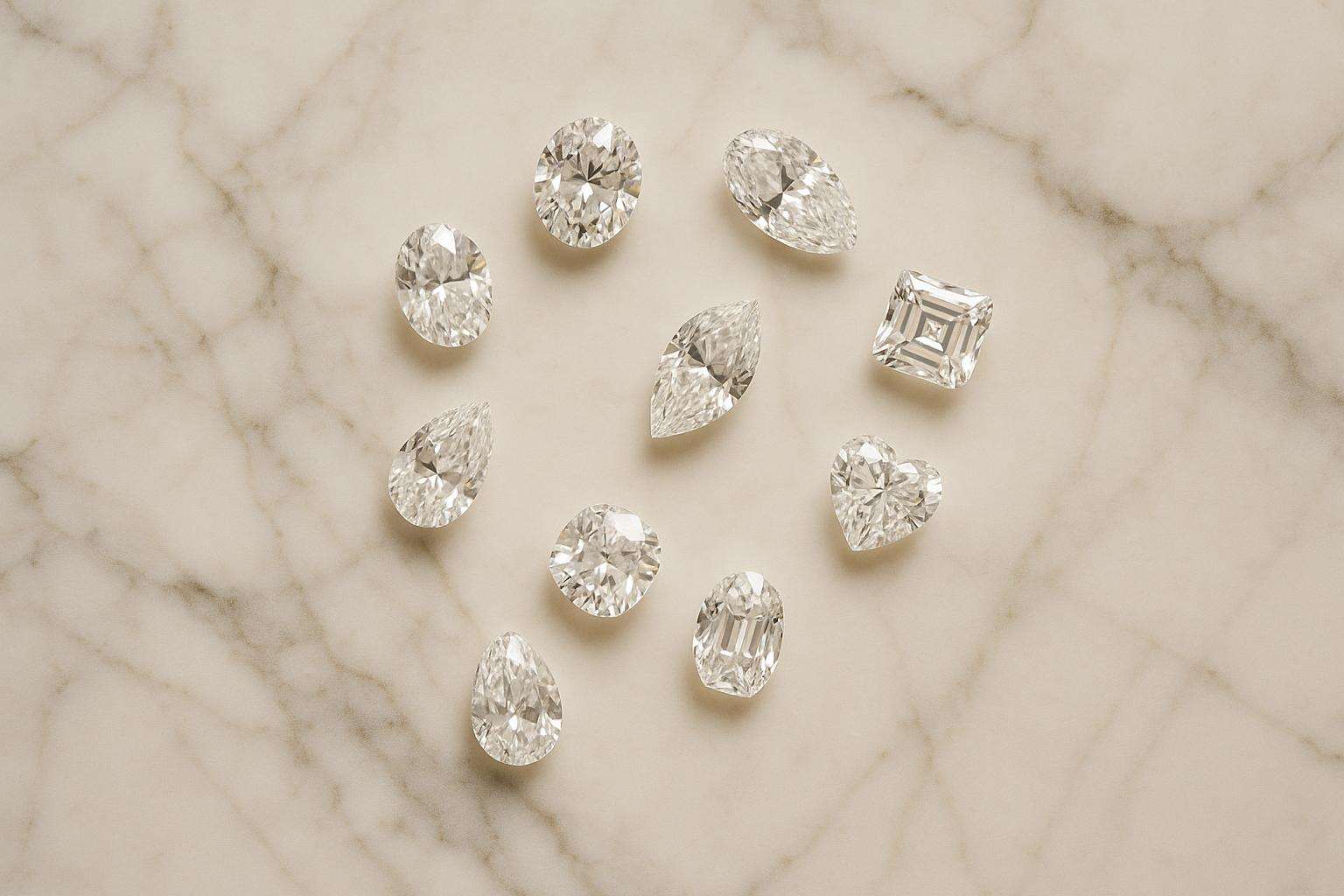
From the timeless round brilliant to the comeback marquise, here is every diamond shape ranked by face-up size, price, and finger-flattering power.
Cut is the one quality entirely in human hands — and it does more to determine how a diamond looks than color, clarity, or carat combined. Here's what every grade really means, with real price differences.
The GIA's 23-grade color scale separates diamonds that cost a fortune from diamonds that look identical — once you know which grades actually matter face-up.
The GIA clarity scale has eleven grades. Only one question actually matters when you're buying an engagement ring: can you see the inclusions? Here's the shape-by-shape answer.
The durable colored-stone alternatives to diamond — what they cost, where they come from, how to buy them, and how to keep them beautiful for decades.
Carat is weight, not width. Here's the complete guide to understanding how much diamond you see versus how much you're paying for — and how to get the most face-up size for your money.
The most-searched trend stones ranked by beauty, durability, and daily-wear reality — including the ones gemologists warn you about.
Master the four properties that determine every diamond's beauty, rarity, and price — and learn exactly which trade-offs are worth making.
Cut matters most. A well-cut diamond returns more light and looks brighter and larger than a poorly cut stone of the same carat weight, so a top cut grade does more for sparkle than spending the same money on higher color or clarity. After cut, most buyers find the value sweet spot at a near-colorless G–H color and an eye-clean VS2–SI1 clarity.
Yes. Lab-grown diamonds are chemically, optically and physically identical to mined diamonds — the FTC requires sellers to disclose origin but recognizes both as genuine diamonds. The practical differences are price (lab-grown typically costs far less per carat) and resale value (lower for lab-grown), not appearance or hardness.
Elongated shapes — marquise, oval, pear and emerald — carry their carat weight across a larger face-up surface, so they read bigger on the finger than a round or princess cut of the same weight. Marquise has the largest face-up area per carat; ovals are the popular balance of size and brilliance.
Moissanite is an excellent budget-conscious alternative: it is nearly as hard as diamond (9.25 vs 10 on the Mohs scale), highly durable for daily wear, and a fraction of the price. It is more brilliant and fiery than diamond, which some buyers love and others find too flashy — that fire is the main way to tell the two apart by eye.