What Hand Does an Engagement Ring Go On?
The left-hand fourth-finger tradition has deep roots — but right-hand customs are equally valid in dozens of cultures. Here is the full picture.
Announcing, etiquette, ring-wearing, and your first wedding-planning moves.
The moment after "yes" comes with a surprising number of small questions. This section answers the practical ones: how an engagement ring differs from a wedding band and how they’re worn together, which hand and finger the ring goes on around the world, the order in which to announce your news, and the first sensible steps toward planning a wedding. It’s the calm, organized starting point for the new chapter — including getting the ring appraised and insured before life gets busy.
The left-hand fourth-finger tradition has deep roots — but right-hand customs are equally valid in dozens of cultures. Here is the full picture.
Ceremony protocol, which ring goes on first, soldering versus stacking, and how to choose a band that actually fits with your engagement ring — answered completely.
The five-tier notification sequence that prevents hurt feelings — and the post etiquette that makes your announcement land well.
The five decisions that set the financial and logistical foundation for your wedding — in the order that actually saves you money and stress.
They look similar and live on the same finger, but an engagement ring and a wedding ring are distinct objects with different histories, meanings, and rules for how they are worn.
One golden rule governs every engagement party guest list — and breaking it is one of the most reliably cited social offenses in wedding planning. Here is what you need to know before sending a single invitation.
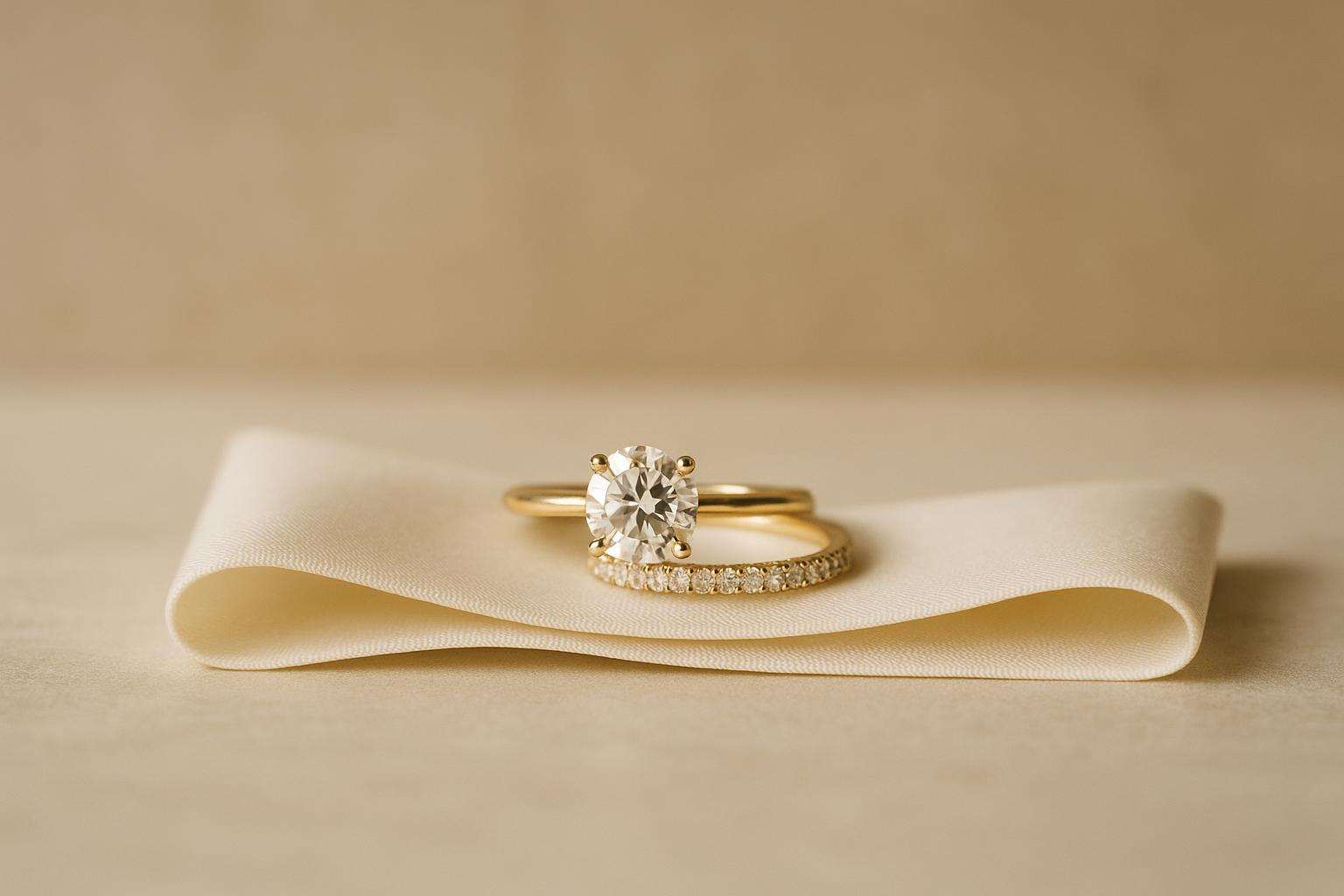
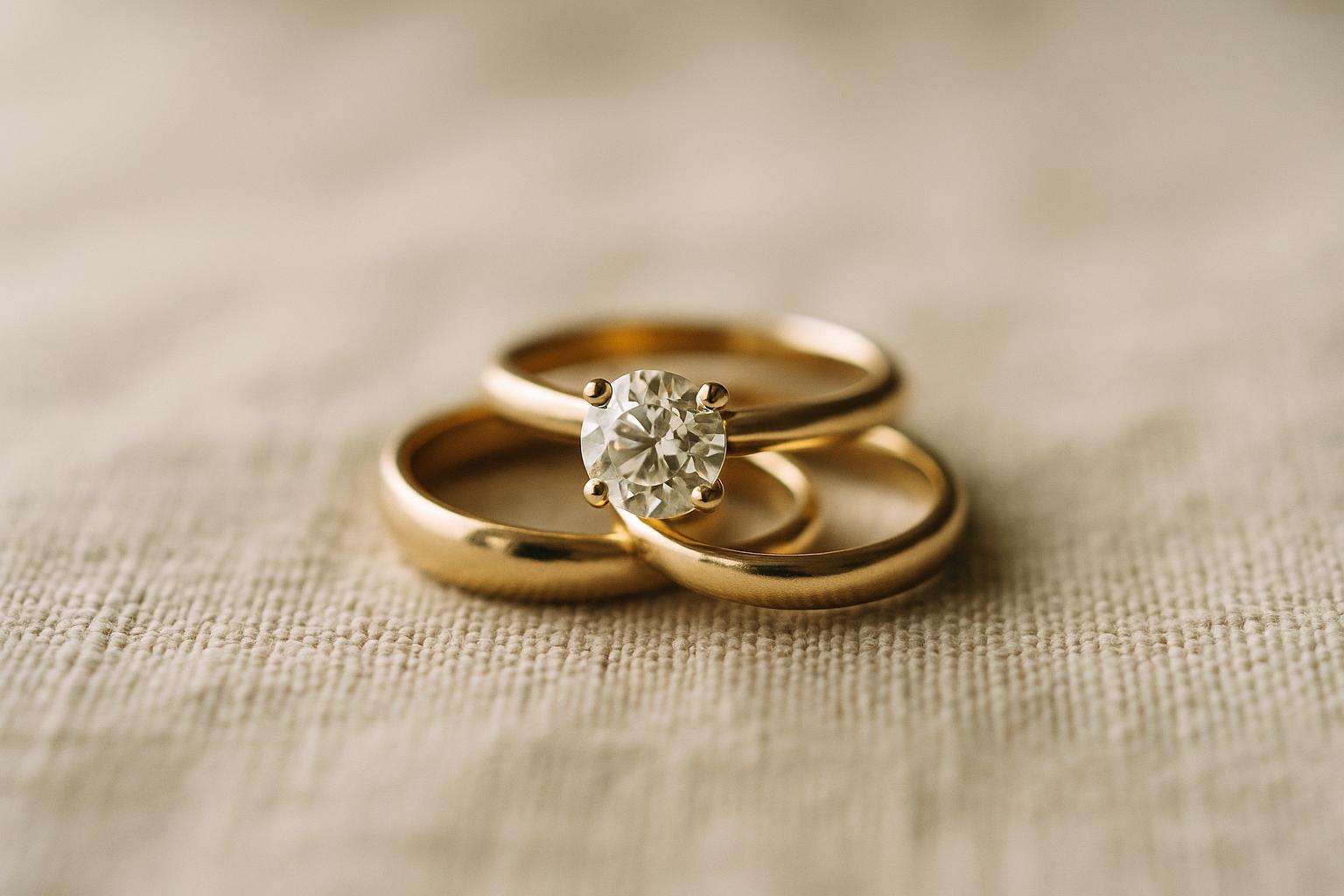
An engagement ring is given at the proposal and almost always features a prominent center stone; a wedding ring (or band) is exchanged during the marriage ceremony and is typically a simpler band, with or without small diamonds. After the wedding many people wear both together on the same finger, with the wedding band sitting closest to the hand.
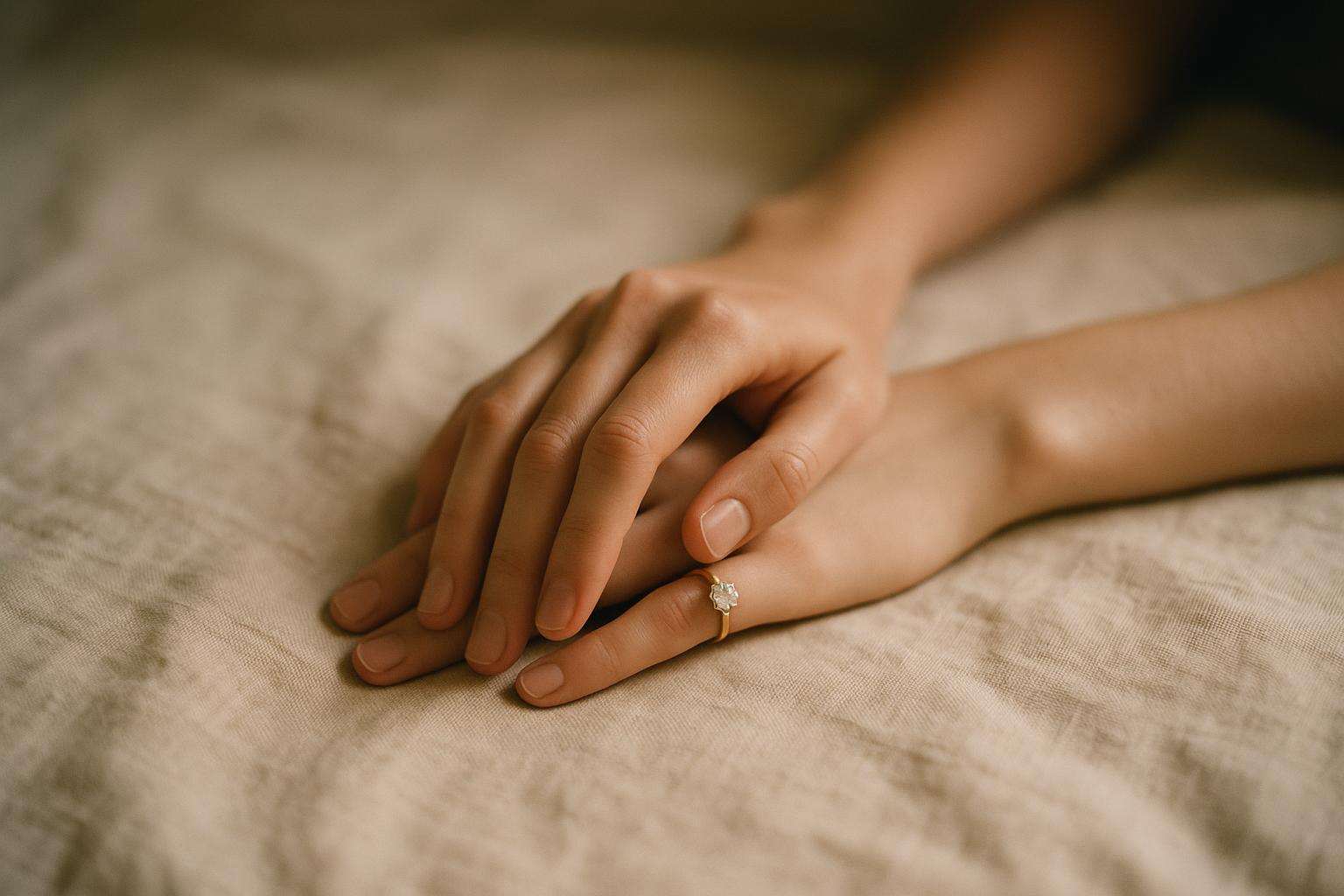
In the United States, the U.K. and much of the world, the engagement ring is worn on the fourth finger of the left hand — the so-called "ring finger." Some countries, including Germany, Russia and parts of Scandinavia and Eastern Europe, traditionally wear it on the right hand. Both customs are correct; it comes down to local tradition and personal preference.
Most people stack them on the same finger with the wedding band worn first, closest to the hand, so it sits nearest the heart, and the engagement ring above it. Some couples have the two rings soldered together to stop them spinning and rubbing, while others wear the engagement ring on the right hand during the ceremony and move it afterward.
Take a moment to enjoy it, then tell your closest family and friends before announcing publicly. Practical early steps are to get the ring appraised and insured, set a rough wedding budget, and agree on a guest-list size before booking anything — budget, guest count and date together determine which venues are even possible, so settle those before falling in love with a venue.